


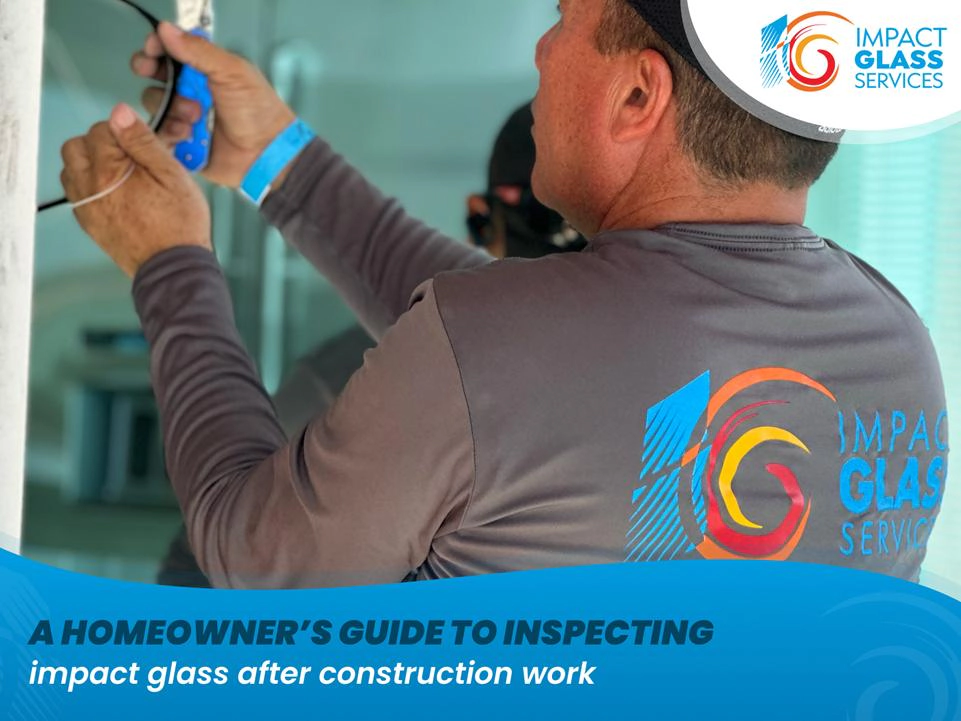
A Homeowner’s Guide to Inspecting Impact Glass After Construction Work
2026-10-08
Why Post-Construction Impact Glass Inspections Are Non-Negotiable
After any renovation, concrete restoration, balcony work, or exterior painting, your impact windows and doors are exposed to more abuse than most homeowners realize. Construction dust, cement slurry, scaffolding movement, and careless masking can all compromise impact glass systems. In South Florida, where HVHZ standards apply, even minor post-construction issues can reduce wind resistance, affect water tightness, and shorten the lifespan of your assemblies. A quick visual check isn’t enough—you need a systematic inspection mindset.
Start With the Glass Surface: Scratches, Etching, and Residue
The first place to inspect is the glass itself, especially in direct sunlight. Look for fine scratches from drywall dust, sand, or improper cleaning tools used by contractors. Concrete splatter and acid wash overspray can cause permanent etching that weakens the outer lite. If you see cloudy patches, swirl marks, or rough textures when you run your fingernail across the surface, stop cleaning immediately—some damage can be polished, but aggressive DIY cleaning often makes it worse.
Inspect Frames, Tracks, and Hardware Like a Pro
Impact glass systems rely just as much on frames and hardware as they do on the glass. Construction debris loves to hide in tracks, rollers, hinges, and operators, especially on sliding glass doors and casement windows. Pay close attention to aluminum frames for paint chips, corrosion exposure, or sealant cuts caused by scaffolding clamps or pressure washing. If a door suddenly feels heavier or noisier, that’s usually a hardware or alignment issue—not “normal wear.”
A Simple Step-By-Step Inspection Checklist
Use this quick checklist to catch the most common post-construction problems before they turn into expensive repairs:
- Operate every panel fully: open, close, and lock—listen for grinding or binding
- Check weep holes and tracks for concrete dust, sand, or hardened debris
- Inspect seals and gaskets for cuts, shrinkage, or paint overspray
- Look at frame corners and sills for hairline cracks or fresh corrosion
- Verify locks and latches engage smoothly without forcing
When to Call a Professional (And Why Timing Matters)
If you notice scratches, stiff operation, air noise, or water intrusion after construction, don’t wait. Early intervention can mean the difference between a targeted repair and full component replacement. Many post-construction issues are correctable if addressed quickly—especially roller contamination, misalignment, and surface damage. A professional inspection ensures your impact glass remains code-compliant, storm-ready, and fully operable when it matters most.
For more information or to schedule a free consultation, call Impact Glass Services at 786-245-4595 or visit www.impactglassmiami.com