


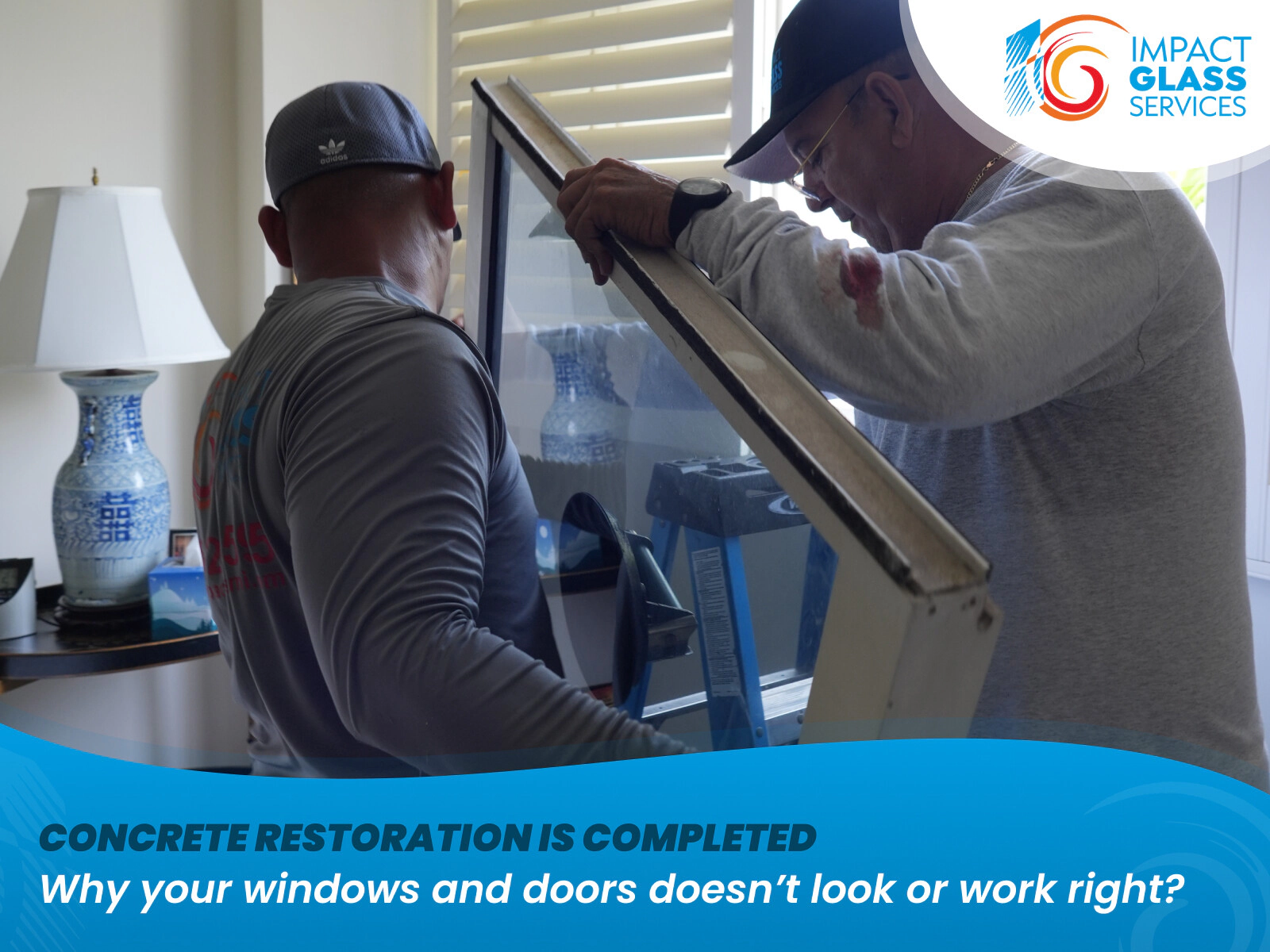
Concrete Restoration Is Completed — Why Your Windows and Doors Doesn’t Look or Work Right?
2026-04-22
The hidden aftermath of “finished” concrete restoration
When a condo or building completes concrete restoration, boards and managers often assume everything around the work zone is automatically back to normal. But window sills and door tracks are one of the most commonly affected—and overlooked—areas. During restoration, sills and tracks are exposed to slurry runoff, grinding dust, rebar treatment chemicals, and prolonged moisture. Even if the concrete looks brand new, the sill may already be compromised, leading to cosmetic damage, functional issues, and long-term corrosion that wasn’t there before.
Why window sills and door tracks take the most abuse during restoration
Window sills and door tracks sit directly in the splash zone. While columns and slabs get the attention, sills and tracks absorb the collateral damage. Acid washes, bonding agents, and salt-laden moisture settle on aluminum surfaces and sit there for weeks. Protective coatings break down fast, especially on older impact window systems common in South Florida condos. Once that factory finish is breached, oxidation starts underneath—even if the surface still looks “okay” at first glance.
Signs your window sill and door track was affected (even if no one told you)
If your concrete restoration just wrapped up and something feels off, your sill or track is probably telling the story. Look for these red flags:
- Chalky white residue or staining on the aluminum surface
- Peeling, bubbling, or fading paint near the sill edges
- Water pooling instead of draining properly after rain
- Rough or pitted texture when you run your hand across it
- Difficulty closing or sealing the window or door due to misalignment
These are early warning signs that the sill coating or metal integrity has been compromised during the restoration process.
Function problems go beyond looks
A damaged window sill and track isn’t just an aesthetic issue—it’s a performance problem. Sills and tracks are designed to manage water, support frame geometry, and protect interior finishes. When coatings fail or aluminum corrodes, drainage paths clog, water backs up toward the interior, and seals start breaking down. Over time, this leads to leaks, air infiltration, and even damage to interior flooring or drywall, all while the window itself gets blamed unfairly.
Why targeted sill restoration beats replacement
The good news? In most cases, your window sill or track doesn’t need replacement—just proper restoration. Professional metallic prep, corrosion neutralization, and electrostatic paint application can restore both appearance and function without removing the window or door system. Addressing sill issues immediately after concrete restoration is the smartest move: it preserves the lifespan of your impact windows and doors, avoids unnecessary replacements, and keeps your building looking truly “finished,” not just structurally repaired.
For more information or to schedule a free consultation, call Impact Glass Services at 786-245-4595 or visit www.impactglassmiami.com